
Warning! AI-generated and Not Verified
The Architect of the Iron Horse: Barney Roos
By Gemini Jeep History Archives
If the Jeep has a soul, it was forged in the mind of Delmar “Barney” Roos. While history often remembers the rugged soldiers who drove the MB into battle, Jeep historians look to the cigar-chomping, brilliant engineer who transformed a flimsy prototype into an American icon.
As the Chief Engineer at Willys-Overland starting in 1938, Roos didn’t just design a car; he engineered a legacy of overbuilt reliability.
The Weight-Loss Miracle: Making the “Go-Devil” Sing
When the U.S. Army put out the call for a 1/4-ton reconnaissance vehicle, the initial weight limit was a nearly impossible 1,275 lbs. Bantam and Ford were in the race, but Roos had a secret weapon: the Willys “Go-Devil” engine.
Roos knew the competition’s engines were weak. He obsessed over the Go-Devil, refining its cooling system and strengthening the block so it could run at high RPMs for hours without seizing. To keep the engine’s power while meeting the Army’s weight requirements, Roos famously took a “chainsaw” to the rest of the vehicle—redesigning every bolt, bracket, and frame rail to shave off ounces.
His engineering rigor is why the Willys MB won the primary production contract. He gave the Jeep its “go,” but his real challenge began when the guns fell silent.
Transitioning to the CJ-2A: The Farmer’s Powerhouse
In 1945, as World War II ended, Roos faced a “pivot or perish” moment. The military contracts were drying up. Roos championed the idea that the Jeep shouldn’t just be a retired soldier; it should be a civilian workhorse.
The CJ-2A (Civilian Jeep) was the fruit of this vision. Roos made critical adjustments to the military design to ensure it could survive the rigors of American farm life:
- Gearing: He replaced the military’s T-90 transmission to better handle low-speed agricultural tasks.
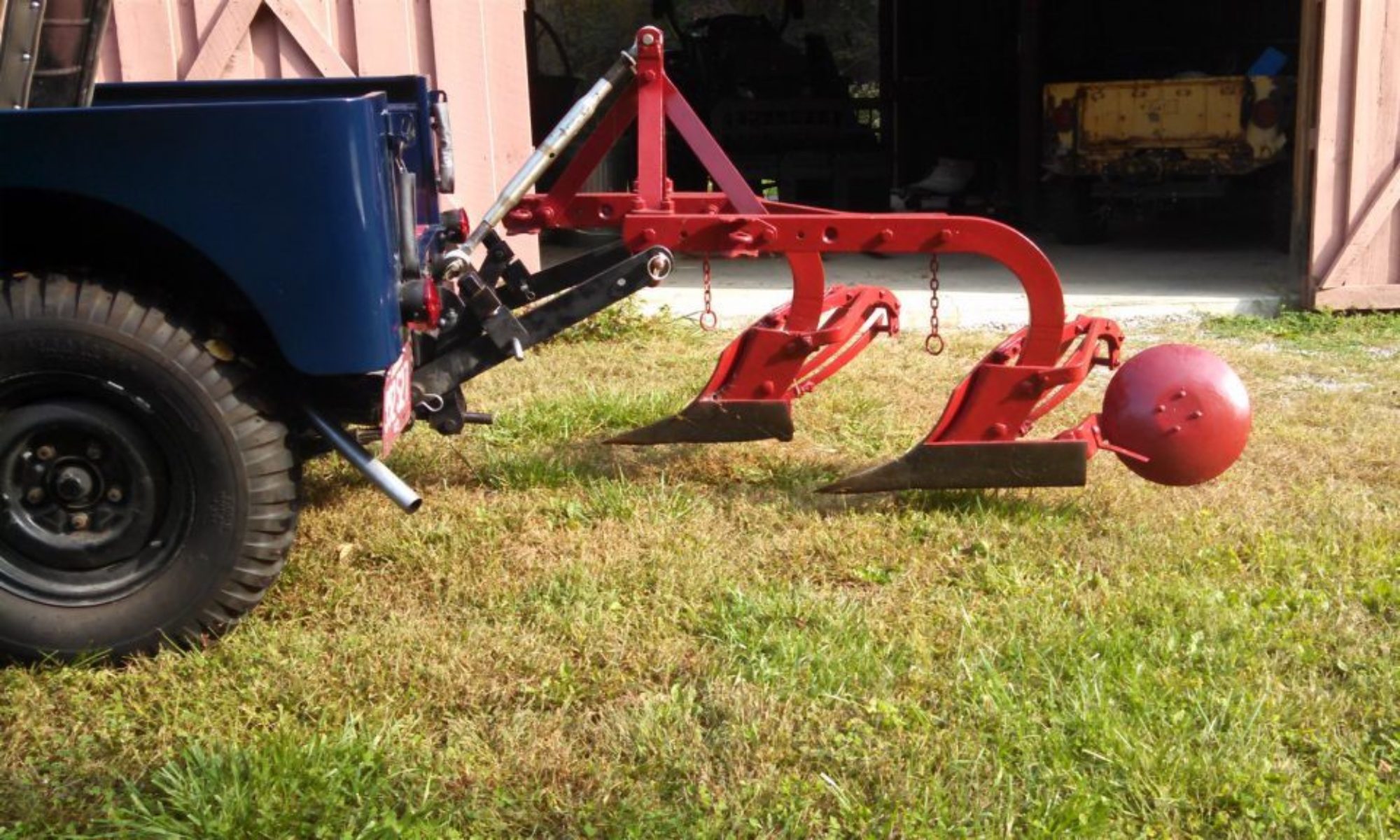
- The Power Take-Off (PTO): Roos integrated a PTO system, allowing the Jeep to power everything from buzz saws to post-hole diggers.
- Refinement: He added a tailgate and relocated the spare tire, making it more practical for hauling supplies than hauling infantry.
The Post-1945 Expansion: Beyond the Flat-Fender
Roos’s work at Willys following the CJ-2A introduction was defined by diversification. He realized the “Jeep” brand could be a platform, not just a single model. Under his technical leadership, Willys launched a series of “firsts” that defined the SUV category decades before it had a name:
| Model | Roos’s Contribution | Significance |
|---|---|---|
| Jeep Station Wagon (1946) | Designed an all-steel body that was easy to mass-produce. | The world’s first popular all-steel station wagon. |
| Jeep Truck (1947) | Utilized the same front-end components to reduce costs. | Brought 4WD capability to the pickup market. |
| The Jeepster (1948) | Attempted to bridge the gap between “rugged” and “sporty.” | A precursor to the modern lifestyle crossover. |
Roos remained a fierce advocate for simplicity and interchangeable parts. He famously resisted adding unnecessary “fluff” to the vehicles, believing that a Willys should be easy to fix in a field with a basic wrench.
“He didn’t just give us a 4×4; he gave us a tool that changed how the world moves.”