
We asked our AI research assistant to build a post-WWII timeline for American Bantam. Sources are included and verified.
Bantam After WWII: Collapse, Control, and the Monroe Era (1945–1952)
Introduction
The end of World War II should have been American Bantam’s moment. It had, after all, built the first jeep. Instead, the company entered the postwar world without a competitive civilian product, short on capital, and increasingly dependent on outside partners. What followed was not a sudden collapse, but a step-by-step loss of control—culminating in a takeover by Monroe Auto Equipment and a series of legal battles that exposed just how far Bantam had fallen.
Timeline
December 14, 1945 — Bantam Enters Civilian Production
American Bantam Car Company begins postwar operations producing civilian trailers, including the T3-C model, at its Butler, Pennsylvania plant.¹
1947 — The Lustron Opportunity (and Limits)
Lustron Corporation begins production of enamel-coated steel homes in Columbus, Ohio (1947–1950).²
During this period, Bantam sought contract work to fill its plant capacity. Farm Jeep research indicates Bantam was involved in trailer production tied to Lustron operations, though detailed contemporary documentation of the contract remains limited.³
August–December 1947 — Financial Collapse Becomes Visible
- August 18: Fiscal year audit completed
- December 9: Bantam reports a $1.22 million loss on $3.7 million in sales
Management repeatedly postpones the annual stockholder meeting, signaling instability and internal conflict.⁴
February 1948 — Shareholder Revolt and Lawsuit
Stockholders file suit in Steinberg v. American Bantam Car Co.
- February 13: Federal court halts the annual meeting
- February 27: Court rules shareholders must have fair access to proxy voting
This marks the moment when the fight over Bantam becomes explicitly about control of the company.⁴
July 6, 1948 — Monroe Moves In
Monroe Auto Equipment Company enters the picture decisively.
Bantam announces purchase of the Newgren Company (a Monroe subsidiary), and at the same time:
- Monroe executives are installed as Bantam directors
- Brouwer D. McIntyre becomes president of Bantam
- Active management shifts to Monroe
Contemporary financial press reports that Bantam will:
- Continue trailer production
- Use excess capacity for Newgren products and possibly Monroe products⁵
1948–1949 — Bantam Becomes a Manufacturing Arm
Following the takeover:
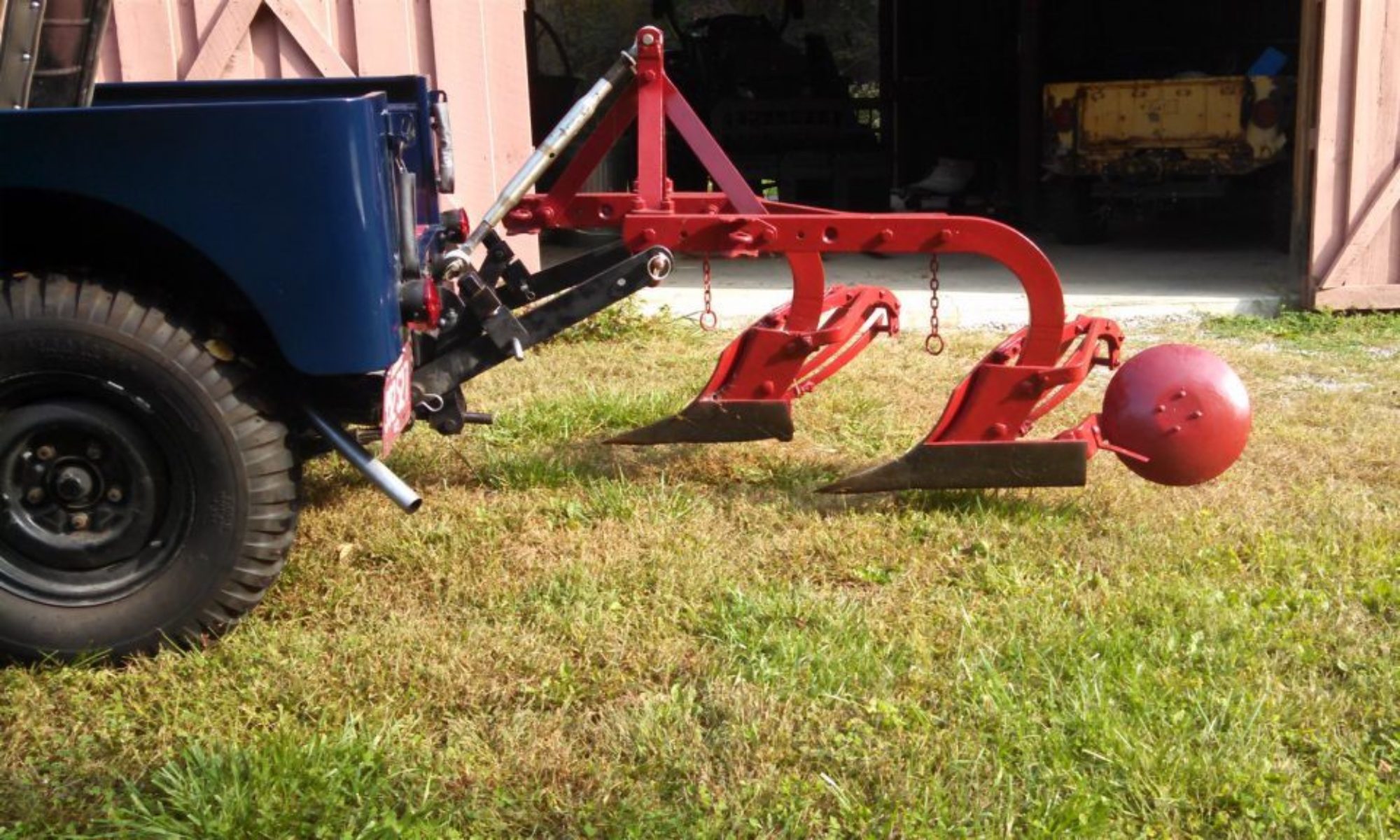
- Bantam’s Butler plant is used to produce farm equipment tied to the Newgren system
- Farm Jeep research shows Bantam produced implements (notably plows), while Monroe and others supplied additional equipment through the same system³
This marks Bantam’s transition from independent manufacturer to component of a larger Monroe-controlled operation.
April 19, 1950 — Bankruptcy
Bantam enters Chapter X reorganization.⁶
The company is now formally insolvent, and control shifts from corporate management to the courts and trustees.
December 30, 1950 — Mismanagement Claims Identified
Trustees report that:
- “Substantial causes of action may exist”
- Against controlling stockholders and associated parties⁶
These findings point directly toward the Monroe-controlled structure established in 1948.
1951 — The “Monroe Settlement” Emerges
Trustees propose a compromise settlement involving claims against Monroe-related interests.
At the same time:
- The U.S. Securities and Exchange Commission intervenes
- The SEC insists that a full investigation must occur before any settlement is approved⁶⁷
January 14, 1952 — Federal Appeals Court Intervenes
In In re American Bantam Car Co., the Third Circuit rules:
- The proposed Monroe settlement cannot proceed without full investigation
- Potential claims must be fully explored before resolution⁶
1952 — SEC Confirms Serious Concerns
The SEC publicly states that the case involved:
- Possible “substantial causes of action”
- Against the “parent company” controlling Bantam⁷
This confirms that federal regulators believed the Monroe relationship warranted scrutiny.
Aftermath — Settlement and Disappearance
Following negotiations:
- Bantam drops its claims against Monroe
- A financial settlement is reached (details primarily preserved in Farm Jeep research³)
- Bantam is liquidated
- By the mid-1950s, the company disappears entirely
Conclusion
American Bantam did not simply fail—it was overtaken. The combination of financial weakness, reliance on outside partners, and loss of governance control allowed Monroe to step in, restructure the company, and ultimately fold it into a broader industrial strategy. The lawsuits and SEC intervention did not stop that process—but they did leave behind a record showing that Bantam’s collapse was not just economic. It was also structural.
Endnotes
- Federal Register, December 14, 1945 — Bantam trailer price authorization
- Ohio History Connection – Lustron Corporation (1947–1950)
- FarmJeep.com – Monroe/Newgren/Bantam research and implement production
- Steinberg v. American Bantam Car Co., 76 F. Supp. 426 (W.D. Pa. 1948)
- Commercial & Financial Chronicle, July 26, 1948 — Bantam/Newgren transaction and Monroe management takeover
- In re American Bantam Car Co., 193 F.2d 616 (3rd Cir. 1952)
- U.S. Securities and Exchange Commission Annual Report (1952)